Digital Space
The digital environment is the most stimulating part of modern evenings. Gently reducing information input — news, social content, emails — creates space for the mind to begin settling on its own terms.
Lifestyle evening structure
Simple ideas for shaping the evening hours as a natural transition toward rest — not a clinical protocol, just a personal lifestyle space.
The approach
A wind-down is not a productivity ritual. It is not about squeezing the most out of your evening hours or hitting a checklist of achievements before the day closes. It is something much simpler.
A wind-down is the quiet, gradual act of leaving the daytime behind. It is the transition from doing to being — a soft corridor between the active hours and the still ones.
Think of it as an evening posture rather than an evening task list. The specific activities matter less than the general quality they carry: gentle, unhurried, and directed toward ease.
Some evenings, that might be a warm drink and ten minutes of silence. Others, it might be a longer bath or a slow walk. The form changes; the intention stays the same.
A gentle sequence
This is one example, not a prescription. Use it as a loose reference and adjust every element freely.
7:00 pm
Put away work materials. Close all work-related tabs and apps. Write down the two or three things you want to carry into tomorrow.
7:30 pm
Change into comfortable clothes. A warm shower if it appeals. Prepare a calming drink. Lower the room's lighting temperature.
8:00 pm
Step away from stimulating content. Calm reading, gentle conversation, a walk, or a simple creative activity that does not demand output.
9:00 pm
A short reflection — one good thing about today. Tidy the space lightly. Set a single intention for tomorrow. Let the day be complete.
9:30 pm
Reduce all screens. Comfortable room temperature. A few minutes of stillness, slow reading, or simply lying quietly before rest.
Three areas
Each of these areas offers its own kind of ease. You do not need all three every night — pick what fits.
The digital environment is the most stimulating part of modern evenings. Gently reducing information input — news, social content, emails — creates space for the mind to begin settling on its own terms.
Warmth, softness, and lower light are natural cues the body recognises as evening. A comfortable temperature, a warm drink, and unhurried physical movement can encourage a more relaxed pace.
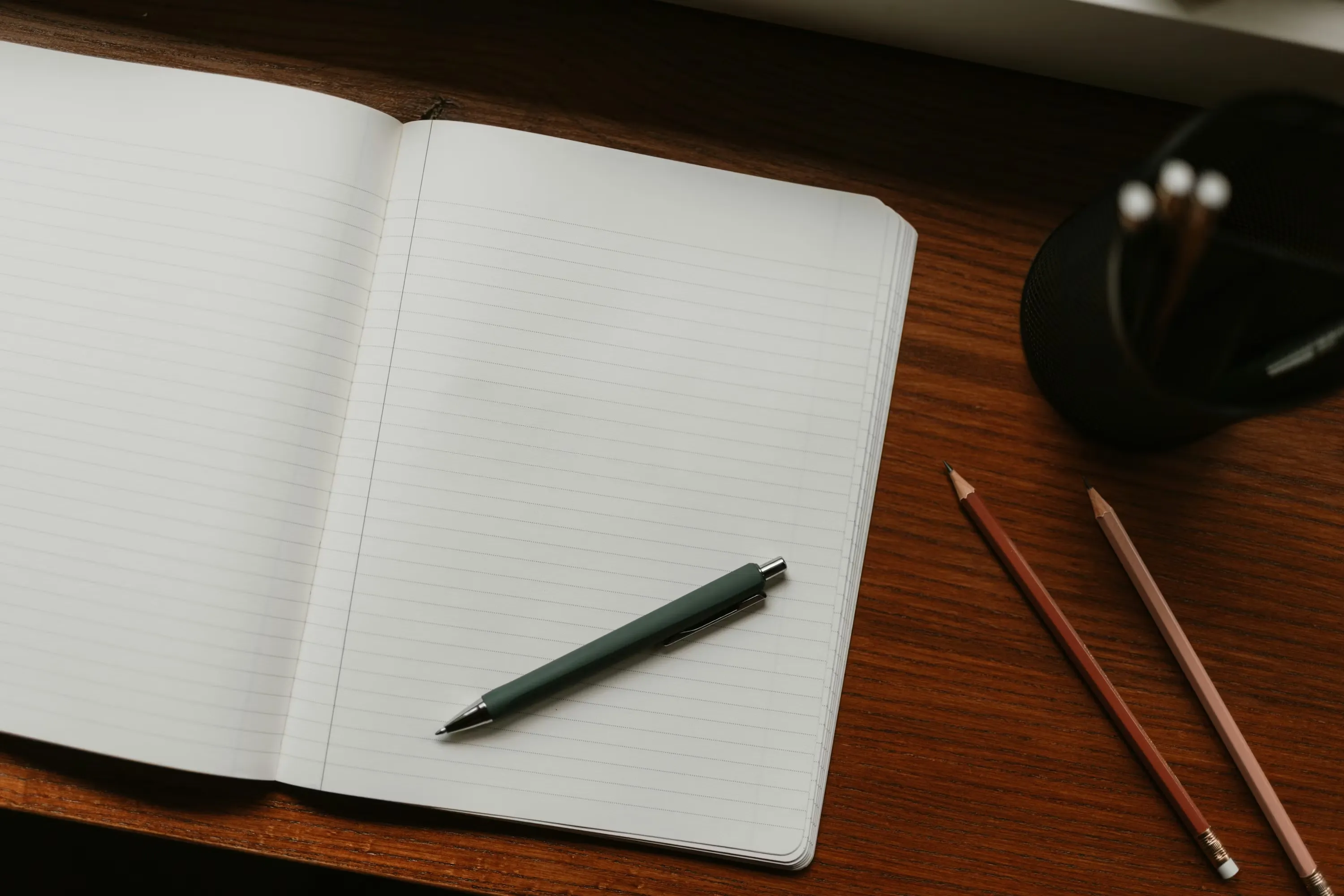
Writing briefly — tomorrow's intentions, today's small good moments — gives the mind a chance to set things down rather than carry them. A very short reflection can bring a natural sense of closure.
Daily closure
Daily closure is the quiet practice of letting the day be done. Not perfect, not analysed — just finished. A brief acknowledgment that today was today, and now it is evening.
A few prompts to try at day's end: What was one small moment today that went well? What would you like to carry into tomorrow? What can you set down for now?
Build Your ChecklistStart softly
Choose one idea from this guide for tonight. One small shift toward a quieter close to the day.
All materials and practices presented here are educational and informational in nature, aimed at supporting general personal well-being. They do not constitute medical diagnosis, treatment, or professional recommendation. Before adopting any practice, particularly if you have chronic conditions, please consult a qualified practitioner.